A backyard renovation is one of the best investments a homeowner can make. Done right, it adds usable living space, increases property value, and changes how you experience your home. Done wrong, it can cost thousands to fix — sometimes more than the original project.
The frustrating part? Most of these mistakes aren’t obvious until after the work is finished and the damage starts to show. Here’s what to watch out for before you build anything.
Skipping the Drainage Plan
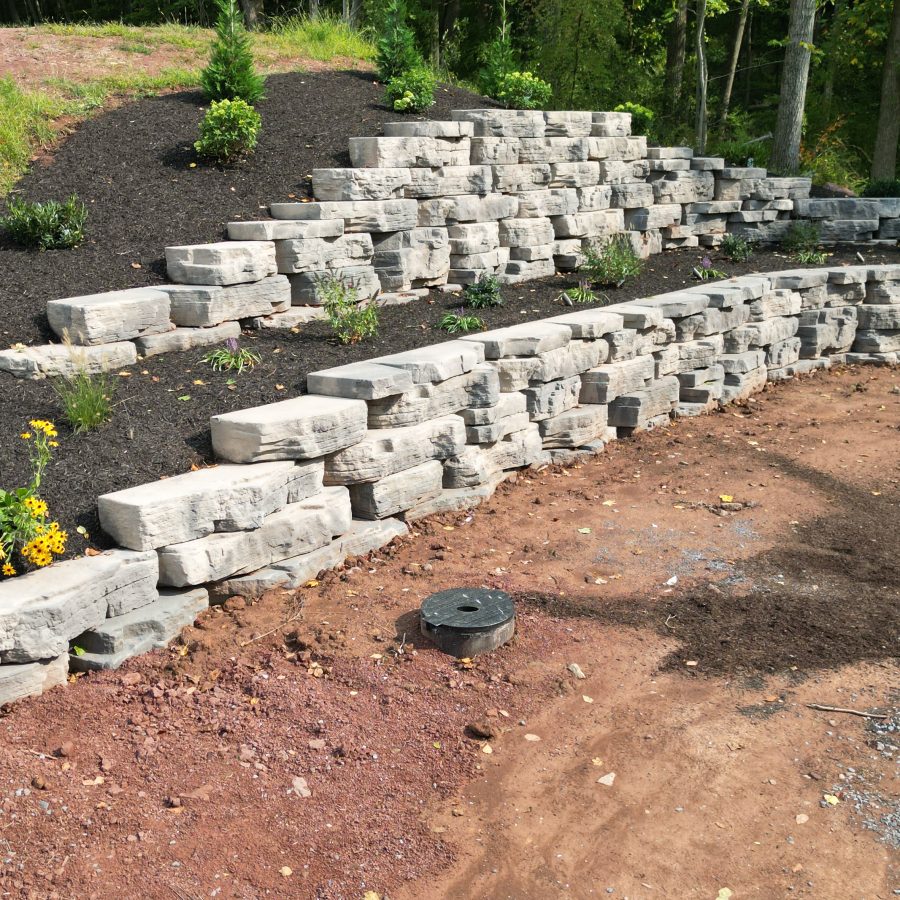
Water is the most destructive force in any outdoor renovation, and it’s the one thing most homeowners don’t think about until it’s too late. Poor drainage causes paver patios to shift and sink, retaining walls to bow and crack, lawn areas to flood, and foundations near the house to erode.
Chester County properties are particularly prone to drainage issues. The region has a mix of sloped lots, heavy clay soils, and unpredictable rainfall patterns — a combination that punishes any outdoor project that wasn’t designed with water management in mind.
The fix, once the hardscaping is already installed, is expensive. Drainage corrections often require tearing up existing work, installing proper grading or French drains, and rebuilding from scratch. Getting the drainage plan right before a single paver is laid is not optional — it’s the foundation every other decision rests on.
Choosing Materials That Can’t Handle Pennsylvania Winters
Not all hardscaping materials are created equal, and not all of them survive freeze-thaw cycles well. Concrete pavers that aren’t rated for exterior use will crack. Natural stone that’s too porous will absorb moisture, freeze, and spall. Outdoor kitchen countertops made from materials designed for interior use will degrade quickly and become costly to replace.
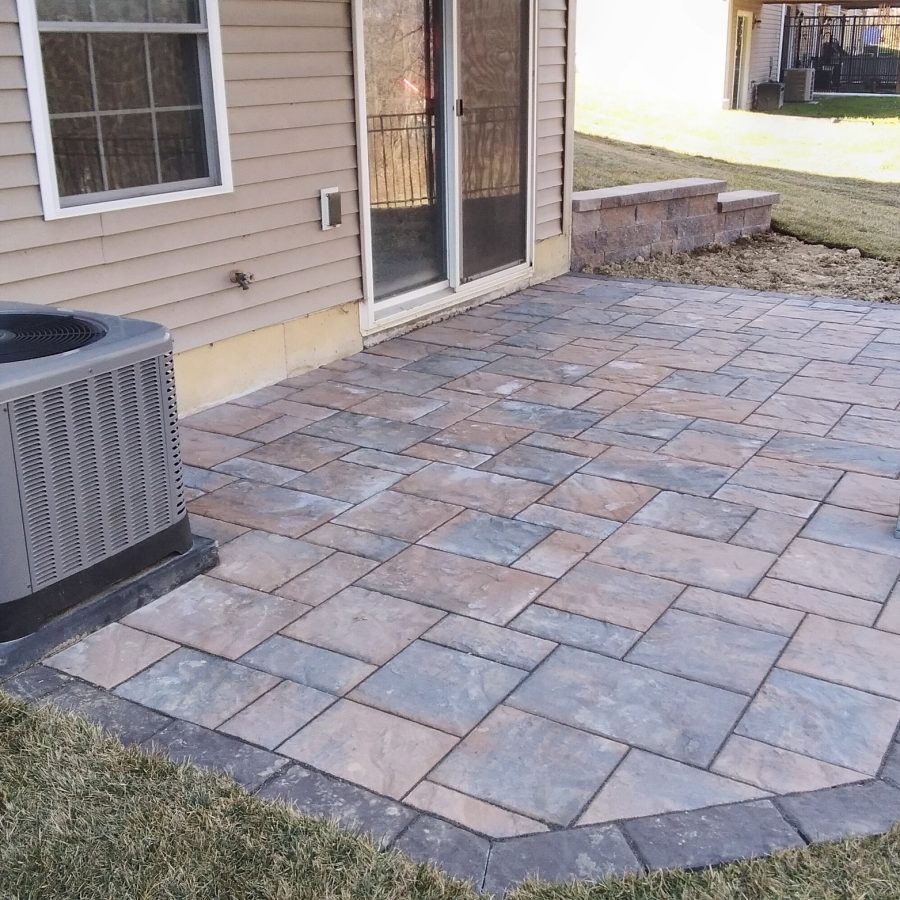
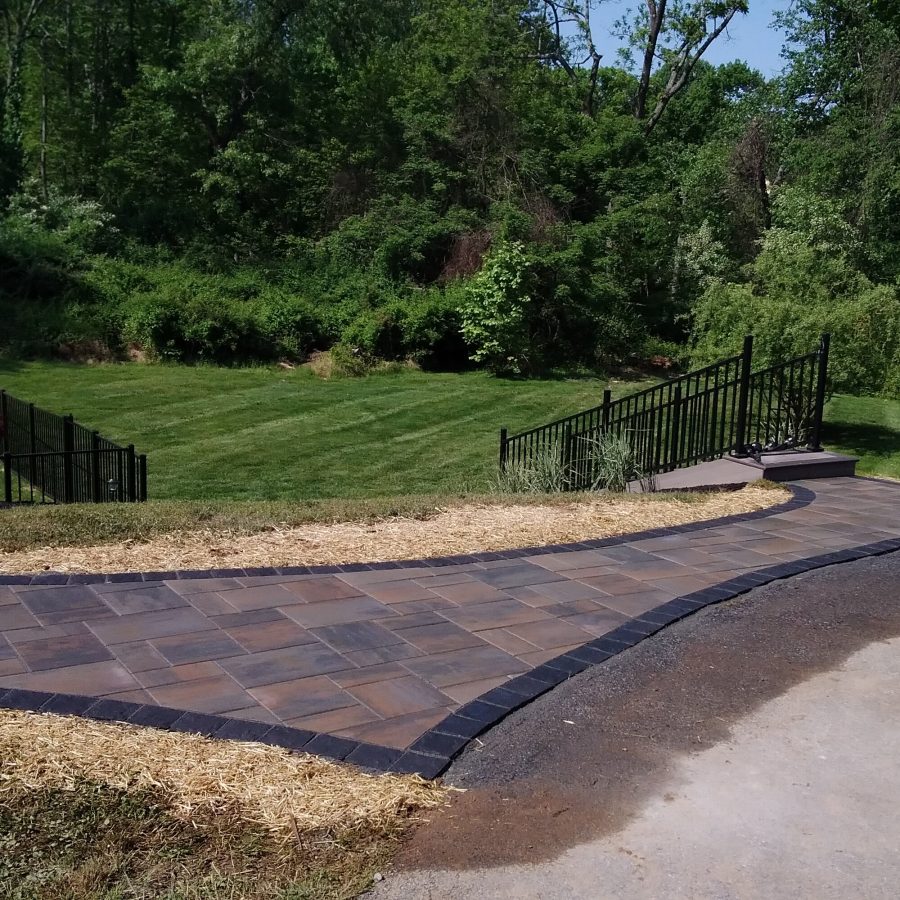
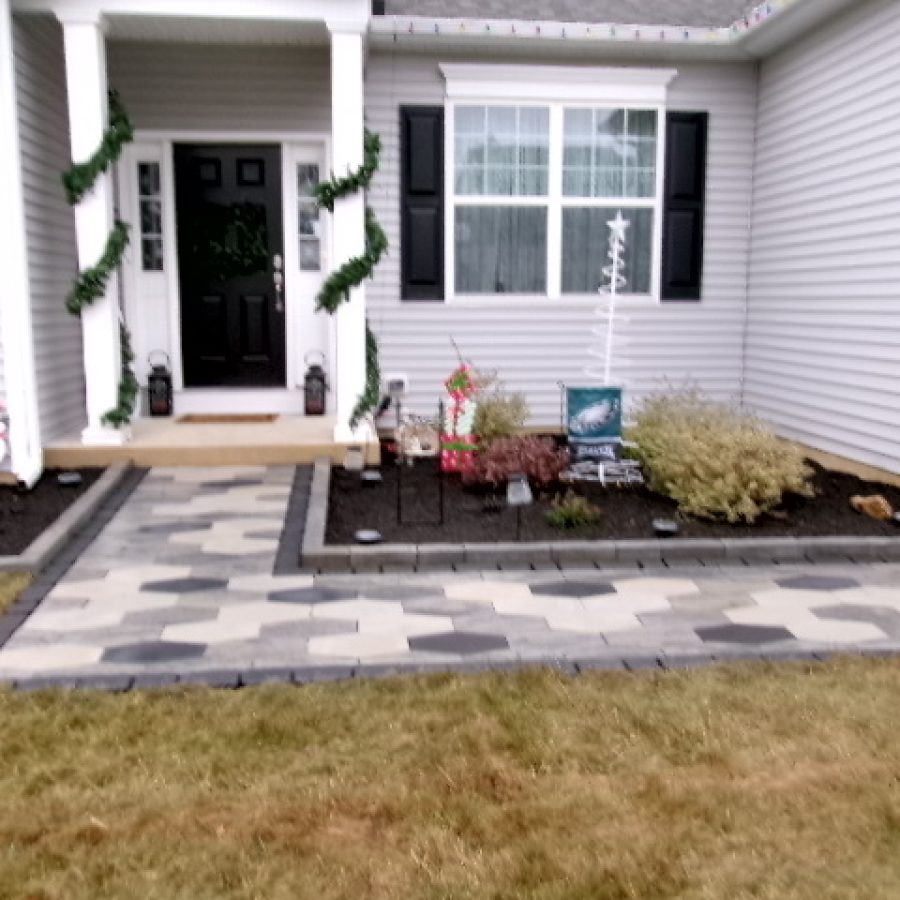
The other common mistake is using the right materials but installing them incorrectly. Pavers laid without adequate base compaction — typically a minimum of 4 to 6 inches of compacted gravel base — will shift within a season or two. What looked level in October looks like a roller coaster by March.
Every material decision in a backyard renovation should account for how it behaves through winter, not just how it looks in a catalog. For custom outdoor living spaces in Chester County, this means specifying materials rated for the local climate and ensuring the installation method matches the material requirements.
Building Without a Cohesive Design Plan
One of the costliest patterns in backyard renovation is the piecemeal approach — adding a patio one year, a pergola the next, a retaining wall the year after, with no unified plan tying it all together. Each piece might be fine on its own, but the cumulative result looks disconnected and often requires expensive rework to integrate properly.
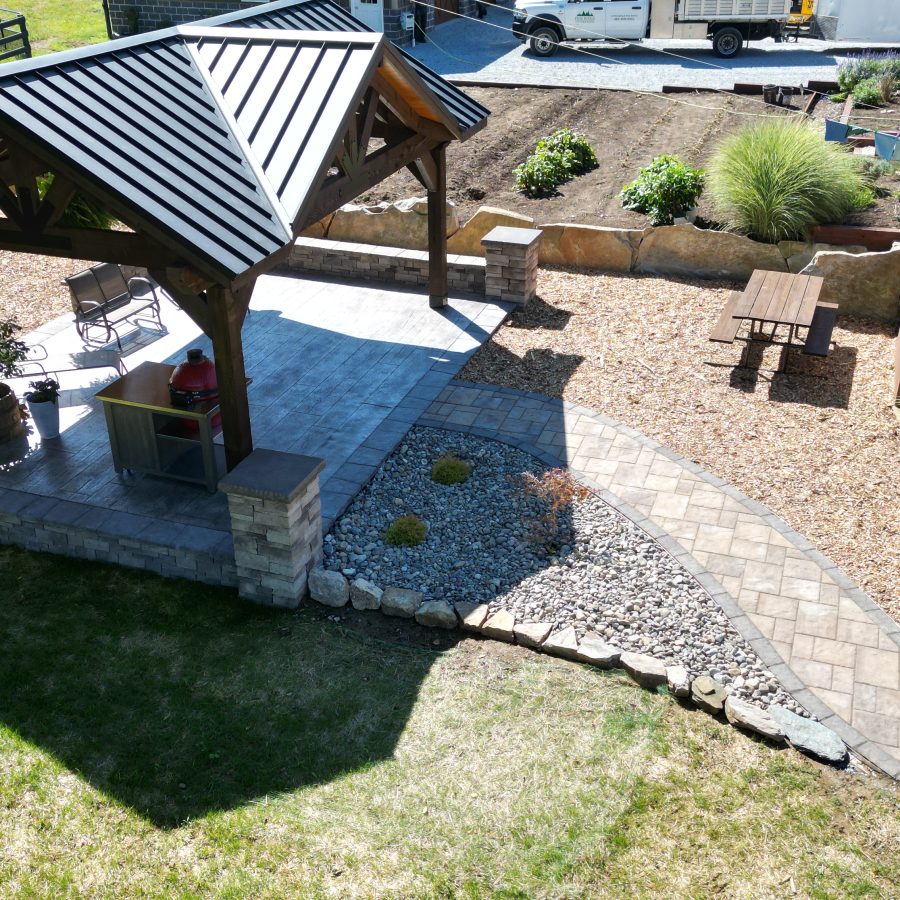
A cohesive design accounts for how structures, hardscaping, and landscaping interact with each other and with the home’s architecture. The direction of sunlight, existing grade changes, tree placement, and the home’s roofline all influence where a pavilion should sit, how a patio should be oriented, and where planting beds will have the most visual impact.
Homeowners who invest in a thoughtful design upfront — before breaking ground on anything — consistently spend less over time and end up with a space that actually functions the way they envisioned.
Underestimating What a Structure Requires
Pergolas and pavilions are among the most requested backyard transformation services in Chester County, and they’re also among the most commonly underestimated in terms of what they require to do correctly.
A pavilion isn’t just a roof and four posts. It needs proper footings — typically concrete piers dug below the frost line, which in southeastern Pennsylvania is around 36 inches deep. Without adequate footings, a structure will shift, lean, or heave over time as the ground freezes and thaws. The repair cost once that movement starts is almost always higher than doing it right the first time.
There are also code and permit considerations. Structures above a certain size require permits in most Chester County municipalities, and building without one can create complications at resale. Working with a contractor who understands local requirements — and pulls the appropriate permits — is not a detail to skip.
Treating Landscaping as an Afterthought
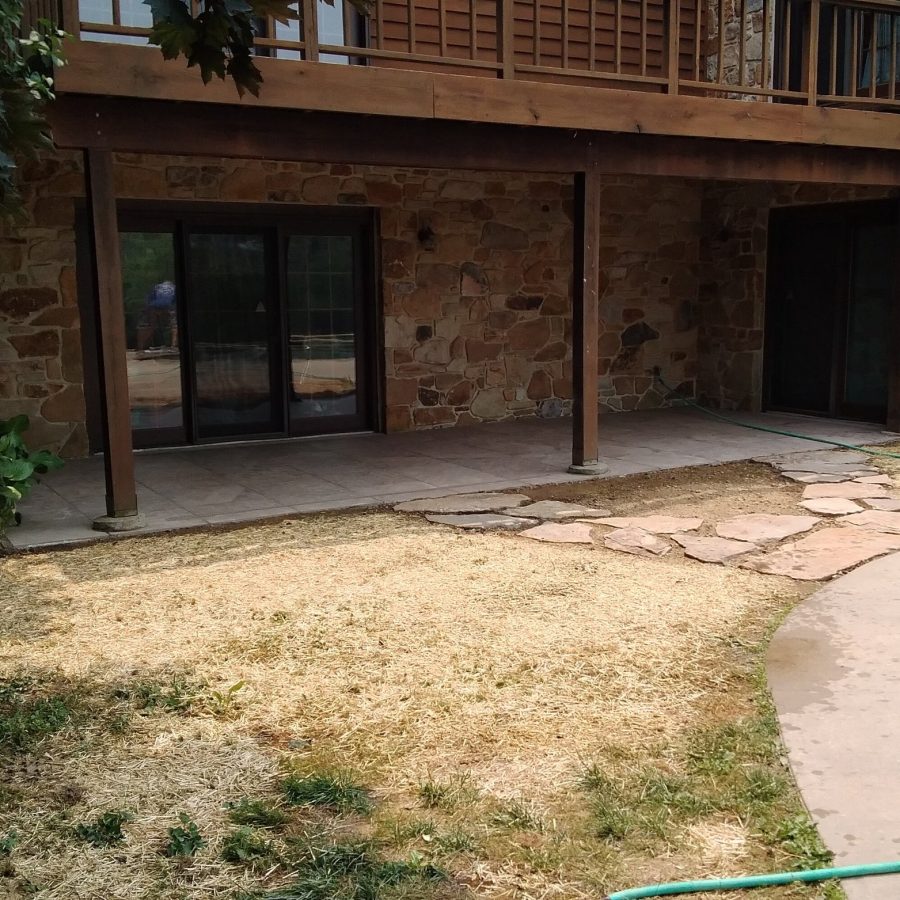
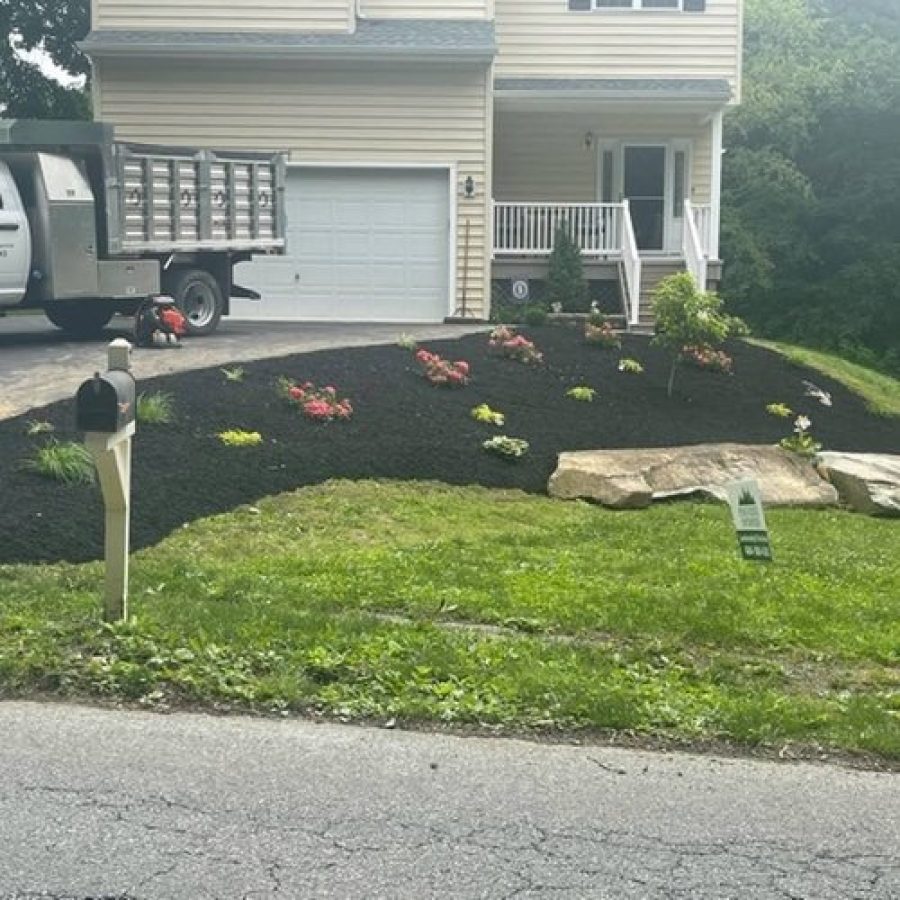
Hardscaping gets most of the attention in backyard renovations, but landscaping is what softens the space and makes it feel complete. The mistake many homeowners make is finishing all the hardscaping first, then trying to squeeze landscaping in around it — often finding that there’s not enough soil depth for proper planting, or that grading decisions made earlier have created drainage problems in the garden beds.
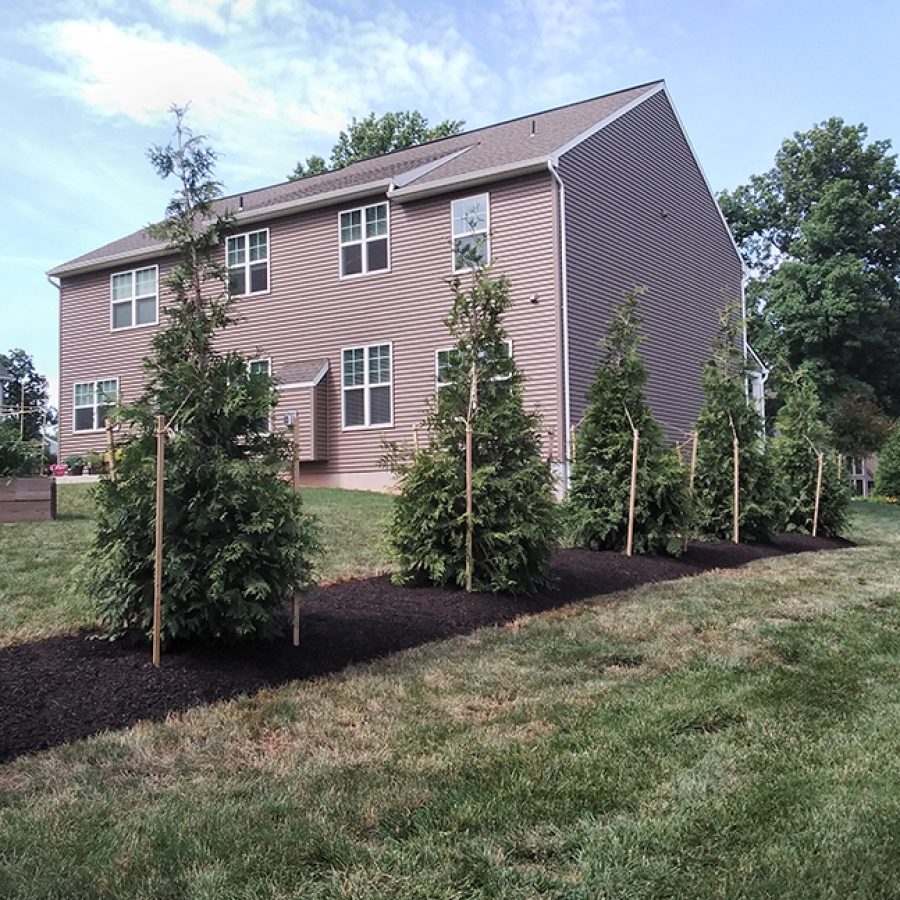
Planting decisions also need to account for the site’s specific conditions: sun exposure, soil composition, proximity to structures, and root systems that could eventually conflict with pavers or retaining walls. A shrub planted too close to a stone wall might look fine for three years and then start pushing against it.
Good landscaping integrated into the design plan from the beginning — not bolted on at the end — is what separates a backyard that looks polished from one that looks unfinished.
Going With the Lowest Bid Without Vetting the Work
This one is straightforward, but it costs homeowners significantly every year. The lowest bid is often low because something is being cut: base preparation, material quality, crew experience, or time on site. Outdoor projects that fail within two to three years almost always trace back to shortcuts taken during installation that weren’t visible at completion.
When evaluating backyard transformation services in Chester County, the questions worth asking aren’t just about price. How does the contractor handle drainage? What base preparation standard do they use for paver installation? Do they pull permits for structural work? Can they show completed projects and connect you with past clients?
A contractor who answers those questions confidently — and whose past work holds up under scrutiny — is worth paying more for. The alternative is paying twice: once for the project and once to fix it.
The Underlying Pattern
Most expensive backyard renovation mistakes share a common root: decisions made too early in the process without enough information, or too late after the window to get them right has already closed. The antidote is a thorough design and planning phase that addresses drainage, materials, structure requirements, and landscaping integration before any work begins.
The backyards that hold up, look great over time, and actually get used are the ones where every element was considered together — not assembled one piece at a time and hoped to cohere.
If you’re planning a backyard renovation in Chester County, contact Pine Ridge Outdoor Living at 484-500-4343 for a free estimate and consultation. We evaluate your property’s specific conditions — land layout, geography, sun direction, and existing features — before recommending anything, so the plan we build is the right one for your space.