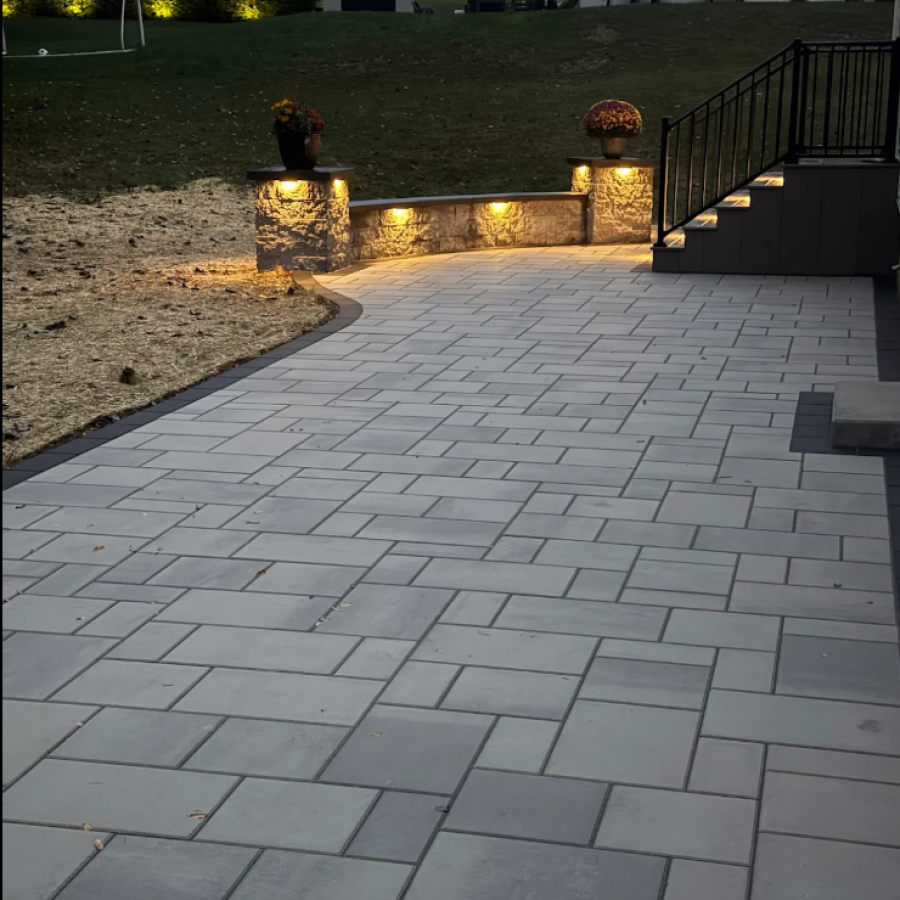
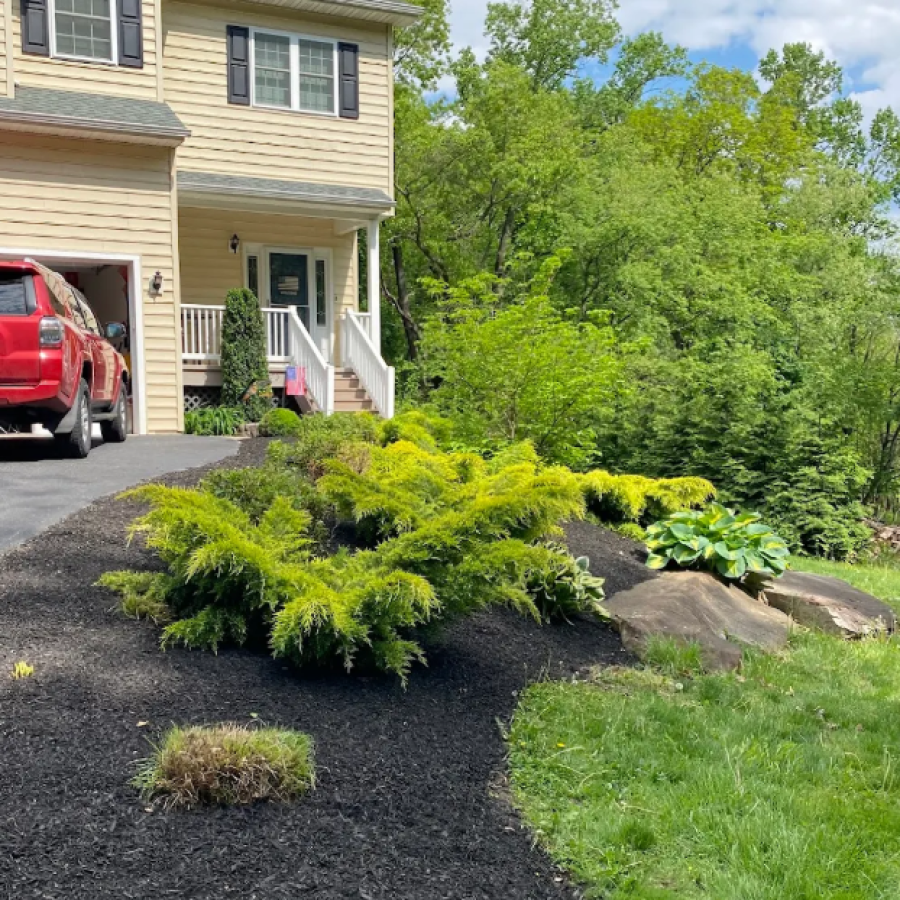
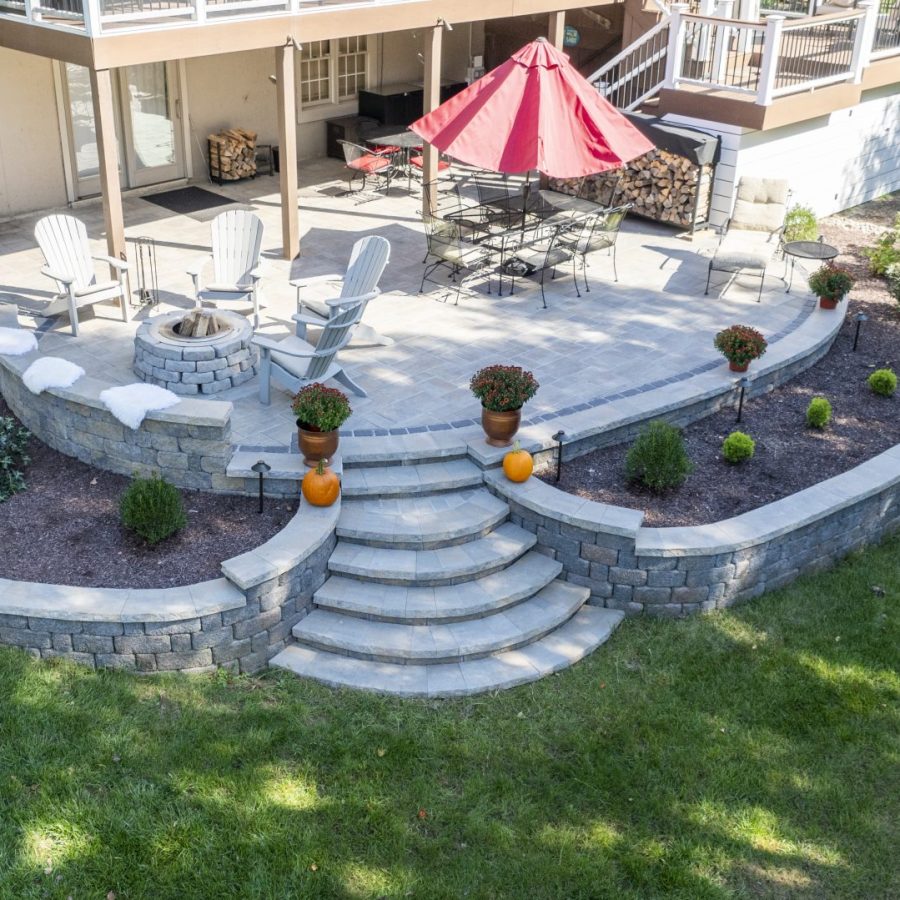
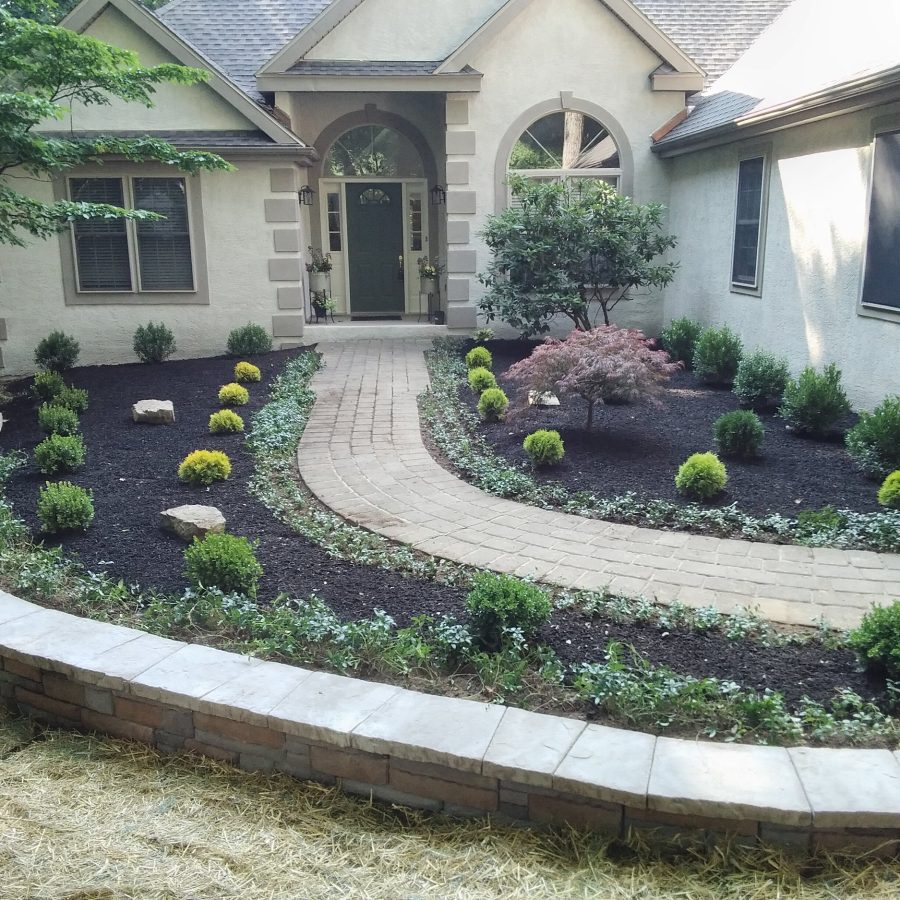
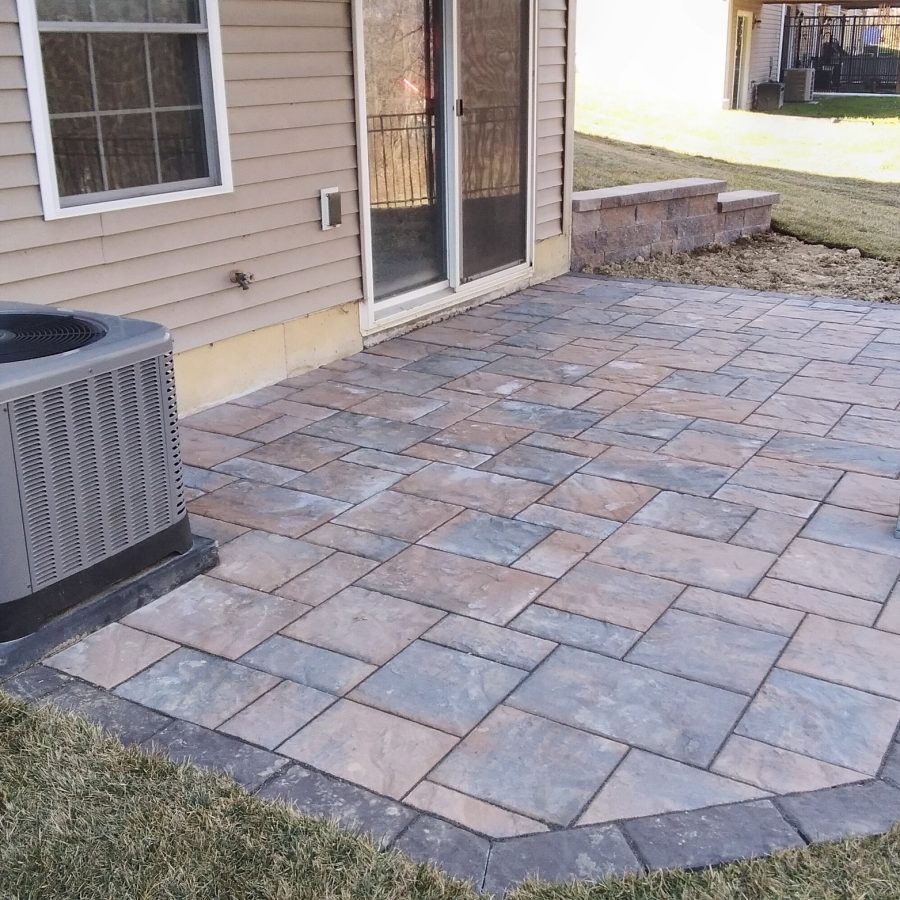
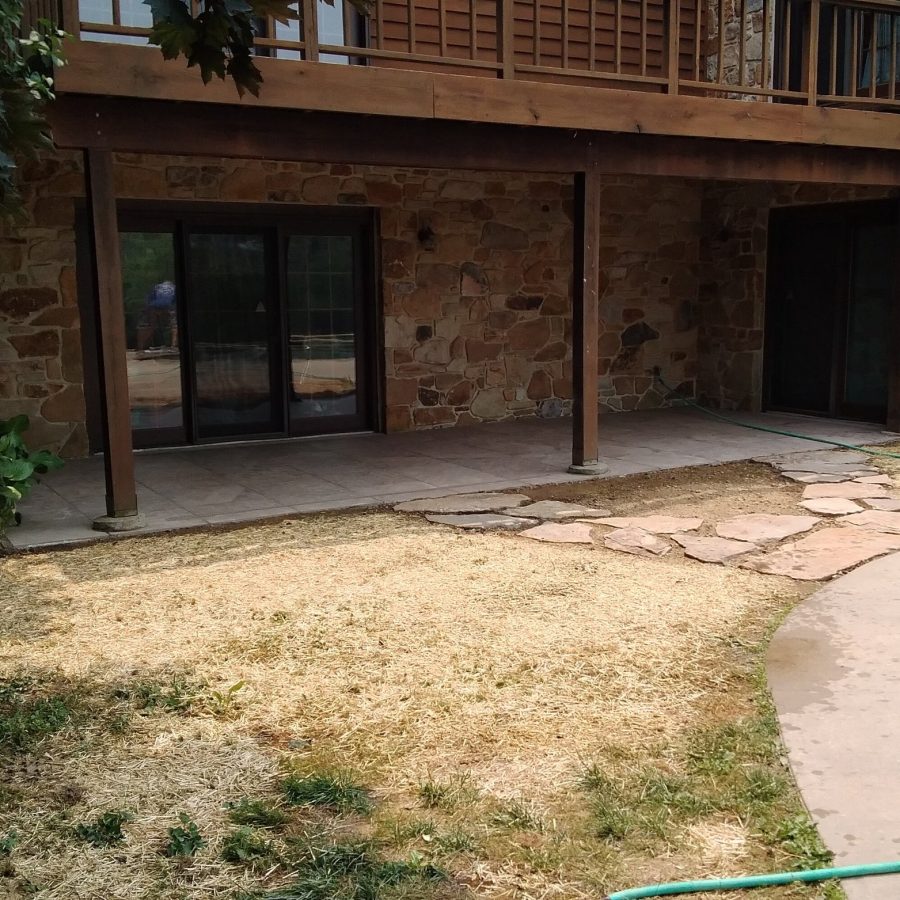
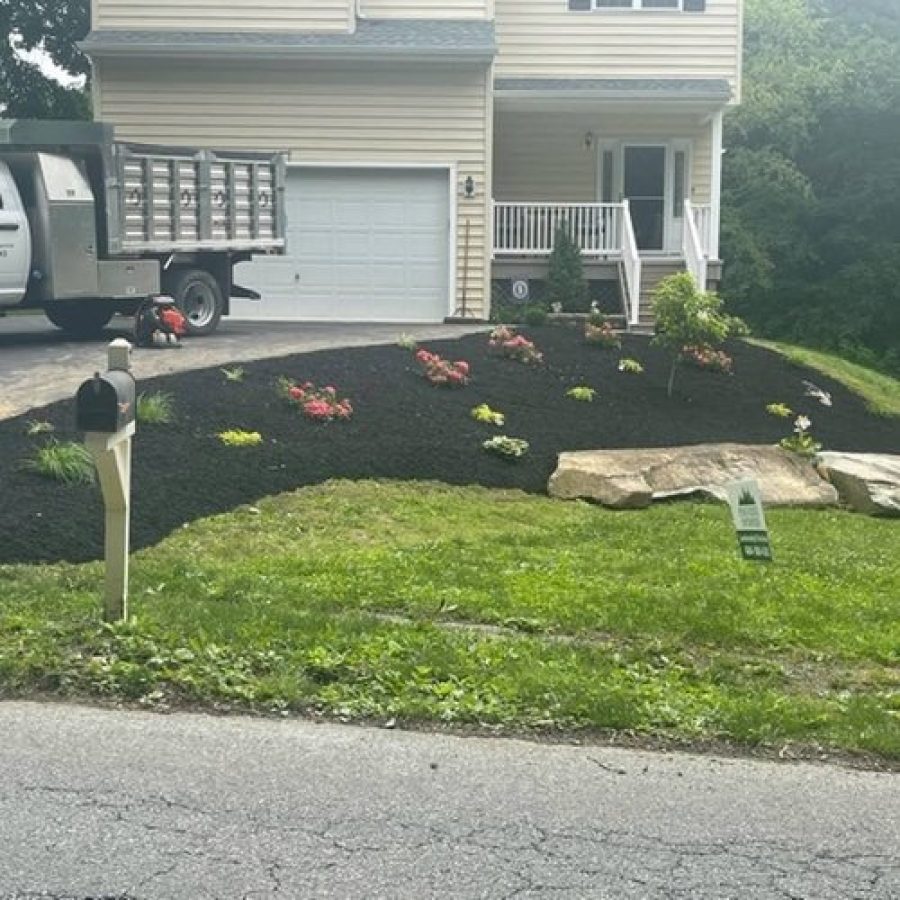
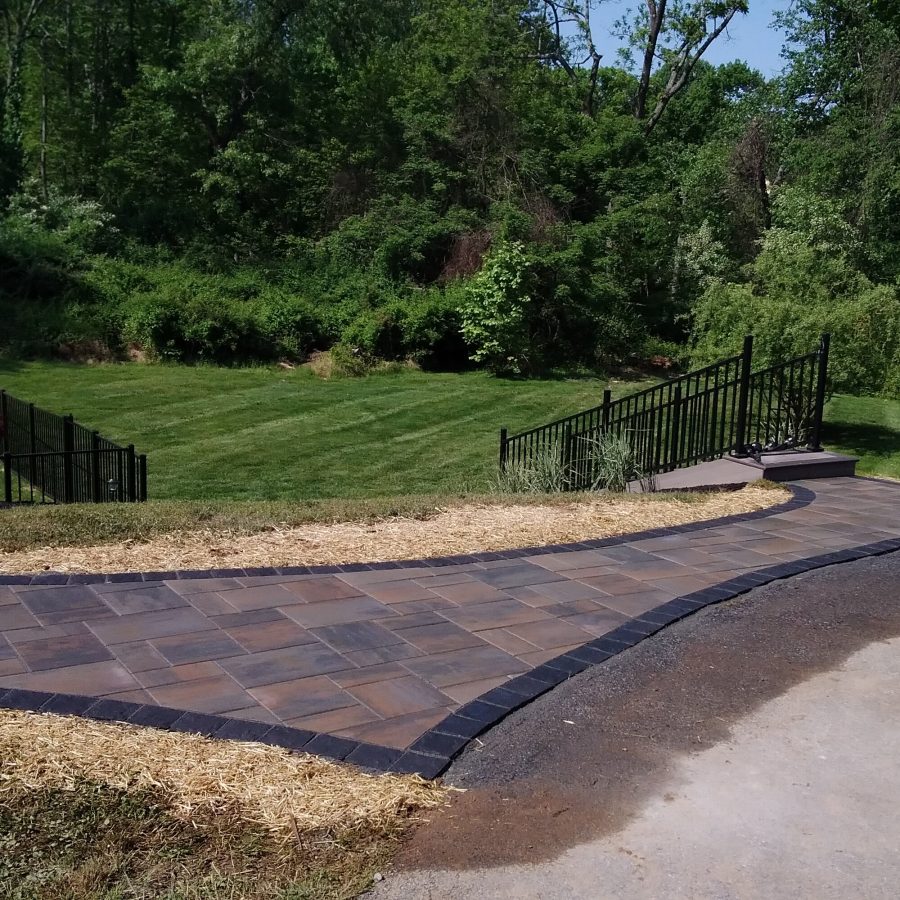
If you have ever tried to grill dinner while running back and forth to the indoor kitchen for a spatula, a plate, or the one seasoning you forgot, you already know why outdoor kitchens have become one of the most requested upgrades for homeowners across Delaware County. A well designed outdoor kitchen turns your backyard into a real extension of your home, not just a patio with a grill parked on it.
As one of the outdoor kitchen builders Delaware families call on most, we get asked the same question in almost every consultation: what actually makes an outdoor kitchen work, not just look nice in a photo? Here is what we have learned from building them, and what we would tell a friend before they start planning their own.
Start With How You Actually Cook and Entertain
Before a single stone is laid, think honestly about how your family uses outdoor space. Do you host big cookouts every summer weekend, or is it mostly you and your partner grilling on a Tuesday night? Are your kids going to be doing homework at a counter while you cook, or is this strictly an adults-after-dark setup?
The families who love their outdoor kitchens years later are the ones who designed around real habits instead of Pinterest boards. A serious griller might want a built-in smoker and extra prep space. A family that entertains often might prioritize a bar with seating so guests can talk to the cook instead of hovering by the door.
The Core Elements That Make an Outdoor Kitchen Function
A great outdoor kitchen is built around a simple work triangle, just like an indoor one: cooking, prep, and storage, all within easy reach of each other.
The cooking zone is usually the grill, but many Delaware County homeowners are now adding a side burner, a pizza oven, or even a built-in smoker. Layout matters here. You want enough clearance around the grill for safety and for someone to stand comfortably without blocking traffic.
The prep and counter space needs to be generous. Undersized counters are one of the most common regrets we hear about from homeowners who built their own setup without a designer’s input. A good rule of thumb is at least three feet of continuous counter next to the grill.
Storage keeps the whole space usable. Weatherproof cabinets for tools, a spot for trash and recycling, and a dedicated area for propane or fuel storage all make daily use easier and keep the kitchen looking clean instead of cluttered with loose equipment.
Refrigeration is the upgrade most people do not think about until they have lived without it. An outdoor fridge means fewer trips inside for drinks and ingredients, and it keeps the whole operation running while you stay outside with your guests.
Materials That Hold Up to Pennsylvania Weather
Delaware County sees real seasons: humid summers, cold winters, and everything in between. That means material choice is not just about style, it is about longevity.
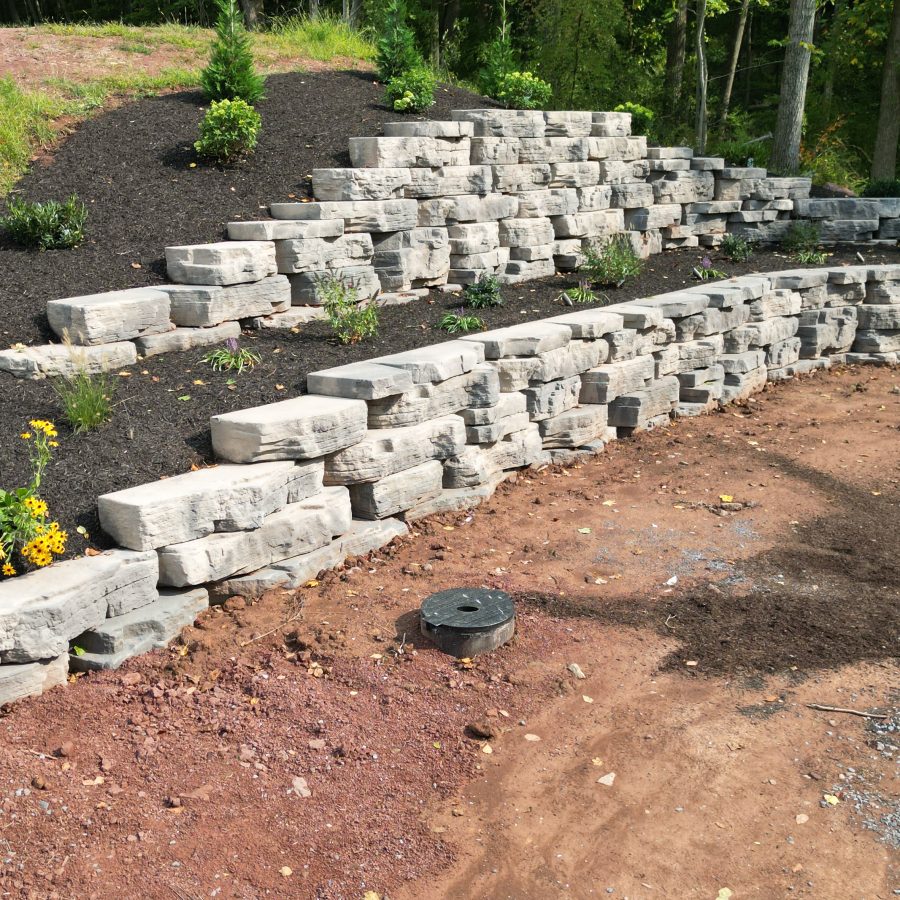
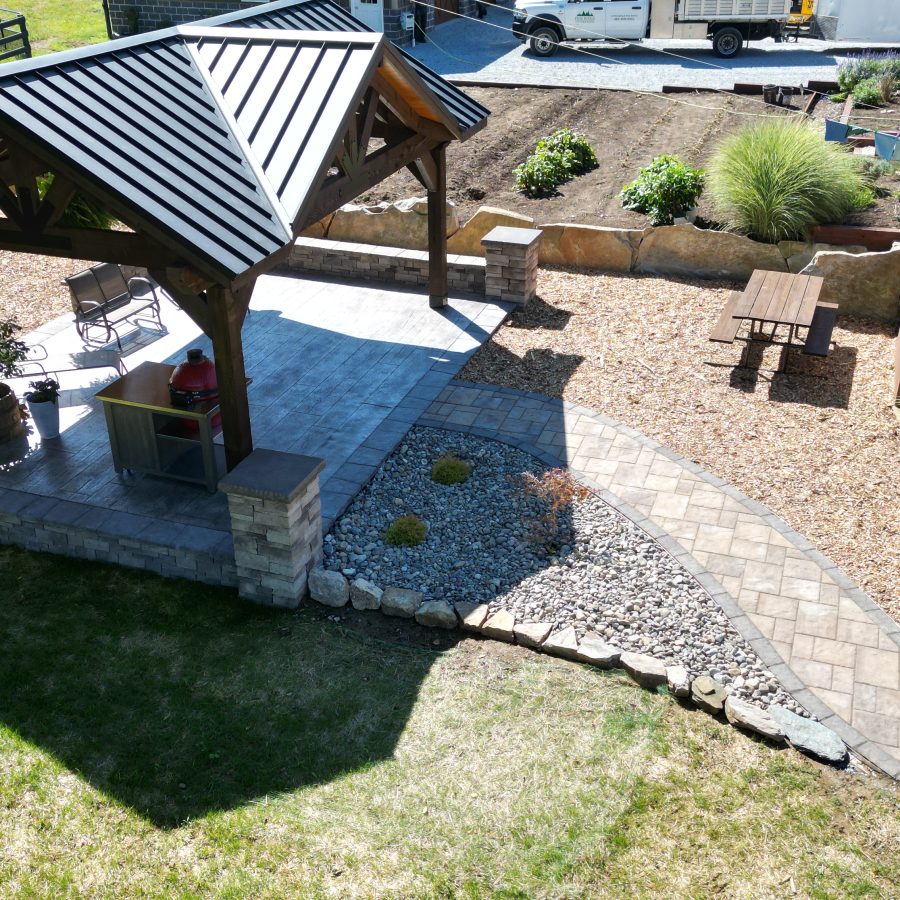
Natural stone and stainless steel are the two workhorses of outdoor kitchen construction here, and for good reason. Stainless steel resists rust and holds up to temperature swings far better than lower grade metals. Stone veneer and cultured stone both hold color and texture over years of freeze and thaw cycles, and they pair naturally with the wooded, rolling landscape that much of Delaware County is known for.
Countertops deserve the same scrutiny. Granite and high grade concrete are popular because they resist staining, scratching, and cracking from temperature changes. Cheaper materials might save money up front, but they tend to show wear within a season or two of real Pennsylvania weather.
Layout Styles That Fit Different Yards
Not every yard has room for a sprawling outdoor kitchen, and that is fine. A straight line layout works well against a house wall or existing patio edge and is often the most budget friendly option. An L-shaped layout creates a natural separation between cooking and seating, which is great for families who want the cook to be part of the conversation without guests standing in the workspace. A U-shaped or island layout is the most ambitious option, and it works best in larger yards where the outdoor kitchen becomes the true centerpiece of the space.
Lighting and Comfort Extend the Season
An outdoor kitchen only pays off if you actually use it, so think past daylight hours. Task lighting over the grill and counters is a must for safety. Ambient lighting, whether string lights, integrated fixtures, or lanterns, extends the mood into the evening. A pergola, retractable awning, or even a simple fire feature nearby can stretch your outdoor season well past what most people expect in this region, turning a summer-only space into something usable from early spring through late fall.
Why Working With Local Builders Matters
Every yard in Delaware County comes with its own slope, drainage pattern, and soil condition, and those details change how a foundation and utility lines need to be planned. This is where working with builders who know the region, rather than a national franchise unfamiliar with local permitting and terrain, makes a real difference in how the finished project performs over time.
At Pine Ridge Outdoor Living, we have built our reputation designing outdoor spaces that fit how Pennsylvania families actually live, not just how a showroom looks. Pine Ridge Outdoors projects are designed around the same principle every time: build it right the first time, with materials and layouts that hold up through every season this region throws at them.
Ready to Start Planning Your Outdoor Kitchen?
If you are picturing a space where your family actually wants to spend summer evenings, we would love to talk through what that could look like on your property. Reach out to Pine Ridge Outdoor Living today for a free consultation, contact us at 484-500-4343 and let’s design an outdoor kitchen built for how you really live.